2019 was the first time since 1992 in which the Cricket World Cup returned to a league format where all teams played each other before the top 4 went through to the semi-finals.
Unfortunately for Pakistan, there was not a repeat of 1992, but by the end of the group phase opponents were breathing a sigh of relief. Pakistan were growing in stature, confidence and developing the momentum that often makes them look unstoppable in knock-out games.
Most neutral observers felt that Pakistan should have proceeded ahead of New Zealand into 4th spot given the victories over England and New Zealand and the farce of New Zealand playing for run rate in the group game against England.
This had been the best campaign since 1999 in terms of wins against world class teams.
However, the lack of ruthlessness from the selectors ultimately cost the team dear.
The team clearly thought the West Indies pitch would mirror that at the same venue 2 weeks earlier against England. Rather than assess the conditions, the batsmen went gung ho and lost their chance of having a good NRR for the rest of the tournament.
It had been clear that Shoaib Malik had not looked interested in playing for Pakistan for some time. He had averaged 13 in England having played here since 2003. Loyalty to him and Mohammad Hafeez (irrespective of the England game) rather than going for class hungry young acts like Saud Shakeel meant that the message was clear. Individuals and seniority meant more than the team. It was a damning indictment that Malik played ahead of Haris Sohail against England, Australia and India, three of the semi-finalists.
Haris is widely known as a class player who although criticised for making pretty 40-50s, is capable of scoring tough runs under pressure. In retrospect, Pakistan needed him during that Taunton chase to add some calmness to the emotional roller coaster.
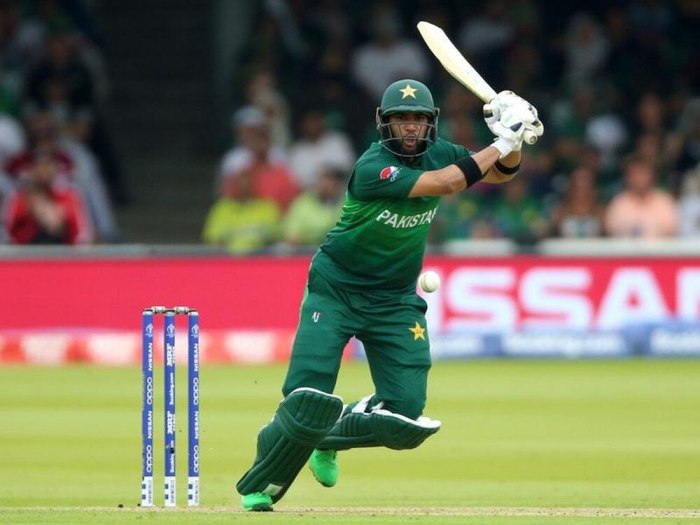
The game against Australia is a perfect snapshot of Pakistani cricket over the past two decades in crunch World Cup matches. They lacked consistent discipline when bowling, dropped catches and despite the comeback led by Amir,failed to pounce when comfortably placed at 136/2 and chasing 307 on a very small ground. It is a damning indictment that Pakistan have not won a crucial match when chasing a tough total in a World Cup since the 1999 semi final (excluding the chase vs Australia in 2011 World Cup). There is a sense of panic that descends into the dressing room when a collapse commences.
There are three things that the PCB need to closely scrutinise: (1) game/tournament awareness (2) ability to manage emotions under pressure which affects ability to execute plans and (3) fitness and attitude.
It is clearly not the ability to bat and bowl that is the issue. It is the lack of mental health support that the players receive unlike their counterparts in Australia, England and New Zealand. The team is at a disadvantage by not having the insight into how mental health input can promote focus, staying calm under pressure, treating pressure situations as the norm and having the consistent belief to execute their abundant skills at all times. This is clearly most evident when playing neighbours India who now have won all seven World Cup encounters against Pakistan dating back to 1992.
The India game links into the attitude and fitness aspects of professionalism. Those present at the game saw the stark difference in fitness levels between the two sides. It was only after the India game that the attitude and body language on the field and behaviour off it improved. Simply put, it is the lack of professionalism that is stopping Pakistan from challenging consistently for honours at the highest level. The players lack the understanding of how to manage their minds and bodies consistently like England, India and Australia.
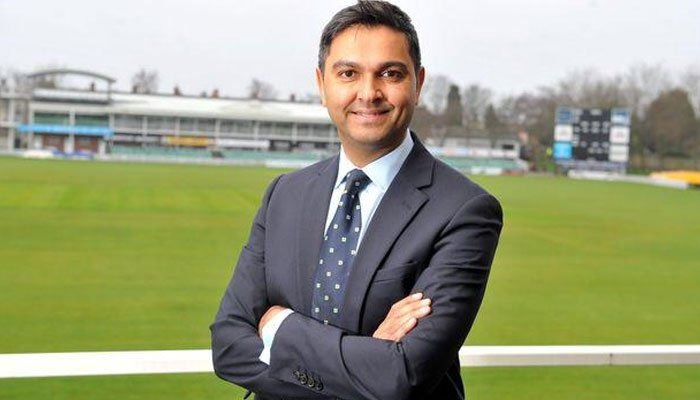
The concept of sports psychiatry is well-known in the USA and gathering pace in other places. The Pakistan team requires the PCB to ensure mental health support for all domestic players. There is potential in a sports psychiatrist with knowledge of cricket, Pakistani culture and the Pakistani team allowing the team to develop focus, mindfulness, fitness, a positive attitude, discipline in all aspects and importantly, ability to manage difficult situations calmly and foster a closer team spirit. This is the kind of suggestion that the PCB should take on board. Wasim Khan has made a good start by looking at restructuring of domestic cricket and making Balochistan more visible on the domestic map. Addition of sports psychiatrists, nutritionists, dieticians, strategists and baseball throwers for out fielding at all levels would drastically change attitudes and much needed professionalism to the undeniable natural skills that Pakistan have always possessed.
(My thanks to Hassan Mahmood who is based in Birmingham. He was the official fan of Pakistan’s World Cup campaign recently held in UK .)
 Sportsfan Says