My Mum never liked cricket.She didn’t want to watch test or even one day format as it was very long and arduous.Unlike her sisters who were able to tolerate cricket and watch it to a degree,she would prefer watching football instead of cricket.Being the only girl in the household of five, the rest four ( my dad and us three brothers ) were avid cricket fans.So on the odd occasion,she has to say about anything remotely related to cricket are conversations to cherish.Against the odds, she once batted in a game of cricket with us boys in our front lawn in our family home in Lahore.An unforgettable evening .She had to manage her cream coloured “dupatta” very well alongside choosing which shot she ll play to my younger brother’s leg spinner.I will never forget when earlier this year she inquired about the reasons of Pakistan’s World Cup loss in Manchester against India the day after. Cricket had truly conquered its final frontier.
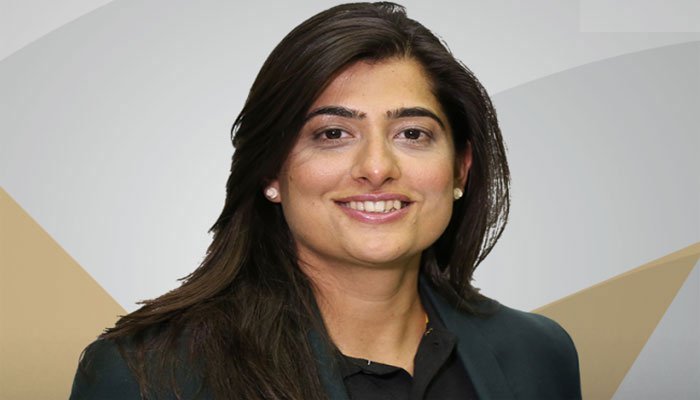
In 2014 ,Sarah Taylor was voted as ICC women’s cricketer of the year. She is one of the most revered English women’s cricketers.A few months ago , she quit cricket in context of longstanding anxiety. She was supported by her peers and media on the decision.Generalised Anxiety is a common condition affecting upto 5% of population. Sana Mir is the most revered woman cricketer in Pakistan, possibly the most popular sportswoman produced as well. A gold medallist in back to back to Asian games, she is the ambassador of sport in the nation. Whether one likes certain players on the men’s cricket team or not, there will be a few who won’t be able to acknowledge Sana’s contribution to women’s sport in the country.Will the media support her when she calls it “quit” if she has any issue regarding her mental health? To even begin addressing the issue there is a bigger piece of puzzle to solve.
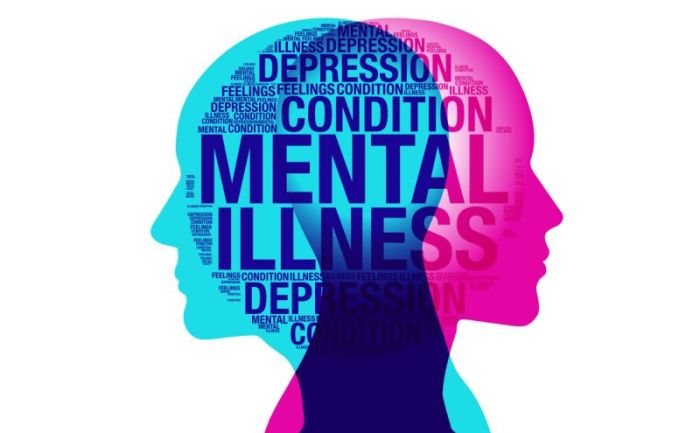
In Pakistan where, psychiatric morbidity is estimated to between 10-15% of the affected population, 6 % of which can account for depression alone, it is still considered a major taboo.It remains undiagnosed and hence under treated.The limited figures on psychiatric conditions suggest upto 45.5 % of women in urban cities can suffer from generalised anxiety.There is no figure to suggest how rest of the geographical areas fare.This is not even close to the real bad news.Pakistani women have highest rates of post partum depression in Asia, ranging from 28-63%. In UK ,this figure is bewteen 9-21%.It has devastating effects on mothers, children and families.No one would want their mums to undergo this.
There are several issues underlying for the high numbers.Women suffer from marginalisation in society.Honour killings, exchange marriages,dowry,the role of in laws in an extended family system and violence against them are key factors.A UN research study found that 50% of women are physically battered and 90 % mentally and verbally abused by their men.Domestic violence takes place in 80 % of households.If they have interest in sport, it’s a taboo and if by chance they are allowed, they won’t be allowed to prosper.Many dreams are killed even before they take the field.Family highly discourages them to take any form of sport .Hence their physical and mental well being is severely compromised even before they are settled in life.I can’t even begin to imagine what hardships these cricketers have suffered before making it this far !
A female model Anam Tanoli committed suicide last summer in Lahore,when she hanged herself and only posthumously came to attention that she was depressed.Many in Pakistani entertainment industry now are a starting to speak up.Saba Qamar and Imran Abbas are celebrities who like their counterparts in the west suffer from depression and have talked about it.There is lack of psychiatric and psychological support in all major psychiatric faculties and a country of 220 million has less than a thousand trained psychiatrists.The annual rate of suicide is 2.9% per 100,000.A further 130,000-450,000 are risk of committing one according to world indices.Still very few sportsmen and women can talk about mental health and needs. If the actors can do it why can’t our sportsmen and women ?
Halima Rafiq, a Pakistani woman cricketer from Multan in 2014 accused the chairman of Multan cricket club on sexual harassment allegations which were disproven in a lawsuit. Halima took her own life ingesting acid in July 2014 dying in Nishtar Hospital’s emergency room. She was 17. How many Anams and Halimas will it take for mental health to be taken seriously in Pakistani society let alone sport ?
The fulcrum of sport is now revolving around cricket for the last few decades. In context of poor educational background and insight, not everyone is as aware of ,barring some in the upper classes and even then struggle to ask for help , be assessed or “take a break“. It is almost unknown entity in rural parts of the country and many are never diagnosed. Needless to say ,women’s cricketers mental health continues like the men to be an overlooked subject.
A beating heart doesn’t give you much more than an hour when a clot affects its blood supply it to save a life. The body will pour out it with sweat, pain and blood.A beat up mind is so resilient still that it goes unnoticed all its lifespan not being cared for and absorbing a universe of distress. Sometime the only treatment is a hug from one’s team mates or family.
Sport is mandatory for men and women regardless of age.It gives hope and opportunity to many all over Pakistan and a chance to redeem themselves. Let’s not deprive women of their chance in the sun. Exercise is medicine.Its high time stigma needs to end in cricket as well for women’s mental health in order to help address both gender’s mental health needs !
 Sportsfan Says